
Intense workouts can help improve strength, endurance, athletic performance, and overall fitness, but proper recovery is just as important as the workout itself. Many people focus heavily on training while overlooking recovery, which can slow progress, increase soreness, and raise the risk of injury or burnout.
Recovery is the process that allows your body to repair muscle tissue, restore energy stores, reduce inflammation, and adapt to physical stress. Without adequate recovery, the body may struggle to perform at its best, and long-term progress can suffer.
The good news is that there are many effective recovery techniques that can help your body recover faster and support overall wellness. In this guide, you will learn the best recovery methods after intense workouts and how they contribute to better performance and long-term fitness success.
Why Recovery Matters
During intense exercise, muscles experience microscopic damage, glycogen stores become depleted, and the nervous system becomes fatigued. Recovery gives the body time to repair and rebuild stronger.
Benefits of Proper Recovery
- Reduced muscle soreness
- Improved muscle growth
- Better athletic performance
- Reduced injury risk
- Improved energy levels
- Better flexibility and mobility
- Faster physical adaptation
Recovery is not a sign of weakness or laziness. It is an essential part of the fitness process.
Prioritize Quality Sleep
Sleep is one of the most powerful recovery tools available.
Why Sleep Is Important for Recovery
During sleep, the body:
- Repairs muscle tissue
- Releases growth hormone
- Restores energy
- Supports immune function
- Reduces physical fatigue
Poor sleep can negatively affect strength, endurance, focus, and recovery speed.
Tips for Better Sleep After Workouts
- Maintain a consistent sleep schedule
- Avoid screens before bed
- Create a cool, dark sleeping environment
- Limit caffeine late in the day
- Practice relaxation techniques before bed
Most adults benefit from seven to nine hours of quality sleep nightly.
Rehydrate Your Body
Intense workouts often lead to fluid loss through sweat. Rehydrating is essential for recovery and overall body function.
Benefits of Hydration
- Supports muscle function
- Helps transport nutrients
- Regulates body temperature
- Reduces fatigue
- Supports joint health
Hydration Tips
- Drink water throughout the day
- Rehydrate after exercise
- Replace electrolytes after heavy sweating
- Monitor urine color for hydration levels
Proper hydration can help reduce cramps and support faster recovery.
Refuel With Proper Nutrition
Nutrition plays a major role in post-workout recovery.
Protein for Muscle Repair
Protein provides amino acids that help repair and rebuild muscle tissue.
Good Post-Workout Protein Sources
- Chicken
- Eggs
- Greek yogurt
- Cottage cheese
- Protein shakes
- Fish
- Tofu
- Beans and legumes
Consuming protein after exercise can support muscle recovery and growth.
Carbohydrates for Energy Restoration
Carbohydrates help replenish glycogen stores that become depleted during intense workouts.
Healthy Carbohydrate Sources
- Brown rice
- Oatmeal
- Sweet potatoes
- Fruit
- Whole grains
- Quinoa
Combining protein and carbohydrates after exercise may improve recovery.
Stretching and Mobility Work
Stretching and mobility exercises can help reduce stiffness and improve movement quality.
Dynamic vs. Static Stretching
Dynamic Stretching
Involves controlled movement and is often best before workouts.
Static Stretching
Involves holding stretches and is commonly used after workouts to improve flexibility.
Benefits of Stretching
- Improved flexibility
- Reduced muscle tightness
- Better mobility
- Enhanced circulation
Gentle stretching after workouts may help your body relax and recover more comfortably.
Active Recovery
Recovery does not always require complete rest.
What Is Active Recovery?
Active recovery involves low-intensity movement that promotes circulation without placing major stress on the body.
Examples of Active Recovery
- Walking
- Yoga
- Swimming
- Cycling
- Light stretching
Benefits of Active Recovery
- Reduced soreness
- Improved blood flow
- Better mobility
- Faster recovery
Light movement can help muscles feel less stiff after intense exercise.
Foam Rolling and Self-Myofascial Release
Foam rolling is a popular recovery method used to relieve muscle tightness and improve mobility.
How Foam Rolling Helps
- Increases circulation
- Reduces muscle tension
- Improves flexibility
- Supports recovery
Foam rollers apply pressure to muscles and connective tissue, helping reduce stiffness after workouts.
Common Areas to Foam Roll
- Quadriceps
- Hamstrings
- Calves
- Back
- Glutes
Foam rolling should feel uncomfortable at times but not painful.
Cold Therapy and Ice Baths
Cold therapy is commonly used by athletes to reduce inflammation and soreness.
Benefits of Cold Therapy
- Reduced swelling
- Temporary soreness relief
- Faster recovery sensation
Common Cold Recovery Methods
- Ice packs
- Cold showers
- Ice baths
Some people find cold therapy helpful after extremely intense workouts, although recovery needs may vary between individuals.
Heat Therapy
Heat can help relax muscles and improve circulation.
Heat Recovery Options
- Warm baths
- Heating pads
- Saunas
- Hot tubs
Benefits of Heat Therapy
- Reduced stiffness
- Improved blood flow
- Muscle relaxation
Heat is often more beneficial for general muscle tightness rather than acute inflammation.
Massage Therapy
Massage can help relieve muscle tension and promote relaxation.
Benefits of Massage
- Improved circulation
- Reduced muscle soreness
- Stress reduction
- Improved flexibility
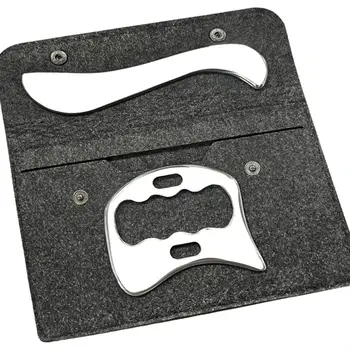
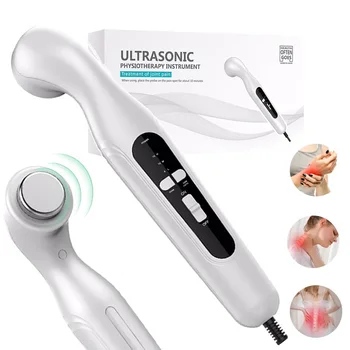
Professional massage or self-massage techniques can both support recovery.
Compression Gear
Compression clothing is often used to support circulation during and after exercise.
Potential Benefits
- Reduced swelling
- Improved circulation
- Muscle support
- Reduced soreness perception
While results vary, some athletes find compression gear beneficial during recovery.
Rest Days Are Essential
Rest days allow the body to recover fully between training sessions.
Why Rest Days Matter
- Prevent overtraining
- Reduce injury risk
- Restore energy
- Support muscle repair
Training intensely every day without recovery can lead to fatigue and reduced performance.
Signs You May Need More Recovery
Your body often provides signals when recovery is insufficient.
Common Signs of Poor Recovery
- Persistent soreness
- Fatigue
- Reduced performance
- Trouble sleeping
- Irritability
- Lack of motivation
- Increased injuries
Listening to your body is important for long-term fitness success.
Breathing and Relaxation Techniques
Stress and intense exercise both affect the nervous system. Relaxation techniques can help the body shift into recovery mode.
Helpful Relaxation Practices
- Deep breathing
- Meditation
- Yoga
- Stretching
- Quiet relaxation
Reducing stress can improve recovery quality and overall wellness.
The Role of Consistency
Recovery is not something that only matters occasionally. Consistent recovery habits support long-term performance and health.
Healthy Recovery Habits Include:
- Sleeping well
- Eating balanced meals
- Staying hydrated
- Taking rest days
- Managing stress
- Stretching regularly
Small daily recovery practices can improve overall fitness results over time.
Avoid Overtraining
More exercise is not always better. Overtraining occurs when the body experiences more stress than it can recover from properly.
Risks of Overtraining
- Chronic fatigue
- Poor performance
- Hormonal imbalance
- Increased injury risk
- Mental burnout
Balancing training and recovery is essential for sustainable progress.
Recovery for Beginners
Beginners often experience more soreness because their bodies are adapting to new physical stress.
Beginner Recovery Tips
- Start gradually
- Allow recovery time between workouts
- Prioritize hydration and sleep
- Stretch consistently
- Focus on proper exercise form
Progressive improvement is safer and more sustainable than pushing too hard too quickly.
Recovery Nutrition Timing
Eating after workouts can support recovery, especially after intense exercise.
Good Post-Workout Snack Ideas
- Greek yogurt with berries
- Protein smoothie
- Chicken with rice
- Cottage cheese and fruit
- Peanut butter on whole-grain toast
Balanced nutrition throughout the day remains most important overall.
Long-Term Benefits of Good Recovery
Effective recovery supports:
- Better muscle growth
- Improved endurance
- Enhanced performance
- Greater flexibility
- Reduced injury risk
- Better energy levels
Recovery helps the body adapt and improve over time.
Final Thoughts
Intense workouts place significant stress on the body, and proper recovery is essential for long-term fitness success. Recovery techniques such as quality sleep, hydration, balanced nutrition, stretching, active recovery, and stress management all work together to help your body repair and rebuild stronger.
Many people underestimate the importance of recovery, but it is during rest that much of your progress actually occurs. Prioritizing recovery can improve performance, reduce soreness, prevent injuries, and help you maintain a healthier relationship with fitness.
The key is balance. By combining consistent training with smart recovery habits, you can support both your short-term performance and long-term health while building a more sustainable fitness routine.





0 Comments